
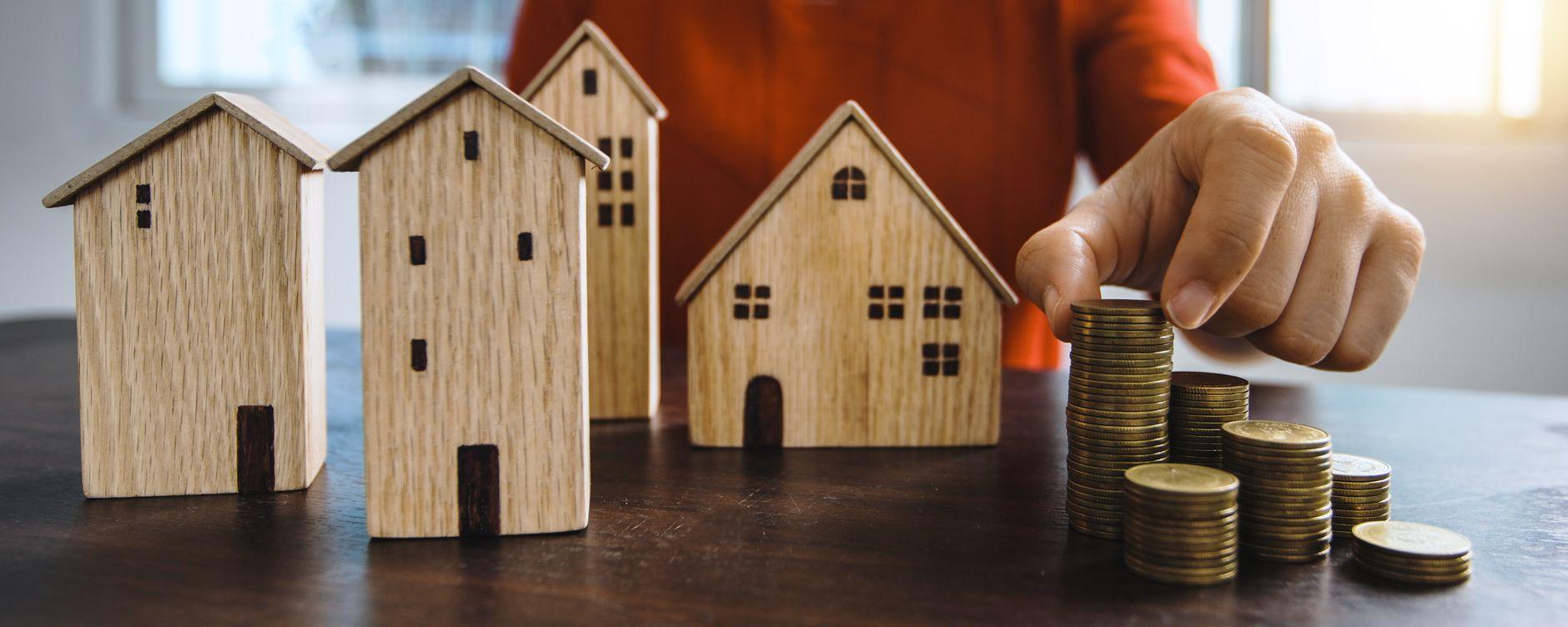
Your Piggy Bank’s Home Sweet Home: Rent vs. Own Showdown
Buying a house felt like a rite of passage, right? For years, it was the undeniable path to financial security. But lately, I’ve been hearing a lot of chatter, even from folks who own places, wondering if they made the right call. The truth is, the financial landscape has shifted, and the long-term financial difference between renting and owning isn’t as clear-cut as it used to be. When I bought my first condo, I figured it was a no-brainer; a guaranteed asset appreciation and a fixed mortgage payment. Turns out, life’s a bit more complicated than that.
I remember a friend who bought a small starter home back in 2015 for around $200,000. He put down a decent chunk, paid his mortgage diligently, and figured he was sitting pretty. Fast forward to today, and that same house is worth maybe $350,000. Sounds like a win, right? But then you factor in the property taxes that have climbed steadily, the homeowners insurance hikes, and the unexpected roof repair that cost him $15,000 out of pocket. When you add up all the maintenance costs, the interest paid on the loan, and the lost opportunity cost of that initial down payment, his “gain” isn’t quite the home run he imagined.
My own experience wasn’t much different. I bought my current place for about $400,000 a few years ago, with a 15-year mortgage. The monthly nut was higher than my old rent, but I was building equity. Or so I thought. Then came the HOA fees that seemed to go up every year, a plumbing emergency that ran into the thousands, and the sheer headache of being responsible for every little thing that breaks. Suddenly, that predictable rent payment in my old apartment, which covered repairs and often included utilities, started looking pretty darn attractive.
On the flip side, renting for a long period means you’re essentially paying someone else’s mortgage. That money is gone, a monthly expense with no tangible return beyond a roof over your head. You’re at the mercy of landlords who can decide not to renew your lease or jack up your rent when your lease is up. I’ve seen good friends forced to move unexpectedly because their landlord decided to sell, uprooting their entire lives and kids’ school routines. Plus, you can’t make significant improvements to a rental property. Forget that dream kitchen remodel or the finished basement you’ve always wanted; you’re a guest, not an owner, and that can feel incredibly limiting.
The true financial picture involves looking beyond just the monthly payment. Owning a home offers potential tax benefits, like deducting mortgage interest and property taxes, which can shave a surprising amount off your taxable income. According to the IRS, these deductions can significantly reduce your tax burden. Also, home equity is often seen as a forced savings account, and over the decades, property values generally tend to rise, providing long-term wealth creation. However, the biggest drawback, in my opinion, is the incredible illiquidity. You can’t just sell your house overnight if you suddenly need cash. You’re talking months, sometimes longer, and significant closing costs that can eat into your profits.
Think about it: if you’re in a high-cost-of-living area where rents are astronomical, like San Francisco or New York City, buying might actually be cheaper on a monthly basis than renting. Websites like NerdWallet have calculators to help you crunch these numbers. However, that’s not always the case. In many growing cities, rental prices have remained relatively stable while home prices have skyrocketed, making renting the financially smarter choice for many. The assumption that owning always leads to greater wealth is, frankly, outdated.
My biggest surprise came when I ran the numbers for myself. After accounting for all the costs of homeownership – mortgage interest, property taxes, insurance, repairs, HOA fees, and the opportunity cost of my down payment – my effective monthly cost of owning was almost 25% higher than my previous rent. And that wasn’t even factoring in the potential for appreciation to be flat or even negative in a market downturn. It made me question whether the societal pressure to own was overshadowing a more pragmatic financial decision.
Ultimately, the financial difference between renting and owning long-term boils down to your personal circumstances, risk tolerance, and local market conditions. Owning offers the potential for significant wealth building and tax advantages, but it comes with substantial upfront costs, ongoing expenses, and less flexibility. Renting provides predictability and freedom but lacks the equity-building potential and tax benefits. What’s undeniable is that the cost of homeownership has become a much larger commitment than many realize. It’s entirely possible that in 50 years, people will look back at this era and wonder why anyone bothered with leaky faucets and property tax bills.